The honest answer: it depends, but not in a scary way
When people ask us “Should I dry line or plaster?”, they’re usually really asking two things: how long will it take, and will it look great when it’s painted. Fair questions. The good news is that both methods can deliver a beautiful finish, as long as the right system is used and the finishing is done properly.
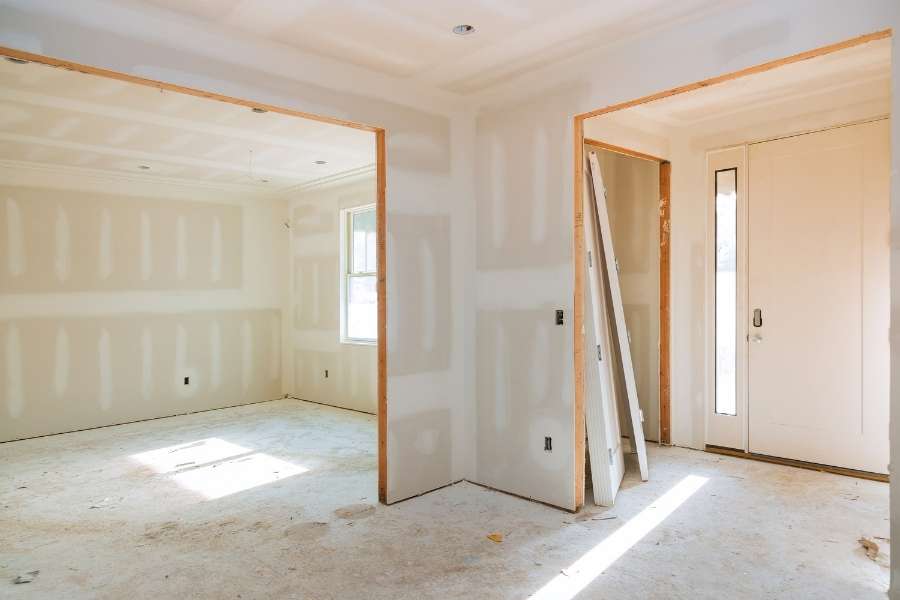
Dry lining uses plasterboard to create flat walls and ceilings. Traditional plastering is the wet, trowel-on method that creates a solid coat over masonry or existing backgrounds. In London, Kent and Essex we see both, often on the same project, because different rooms and different substrates have different needs.
When dry lining makes the most sense
You want speed and predictability: plasterboard goes up quickly, and you avoid the long drying times that come with thick wet plaster. That can be a lifesaver if you’re coordinating a kitchen delivery or a commercial opening date.
You need better performance: dry lining systems can improve acoustics, fire protection, and thermal efficiency. If you live in a flat where you can hear next door’s phone calls, acoustic dry lining is worth discussing.
Your walls are uneven: stud systems are brilliant for bringing wonky walls back into line without endless patching.
When plastering is the better tool for the job
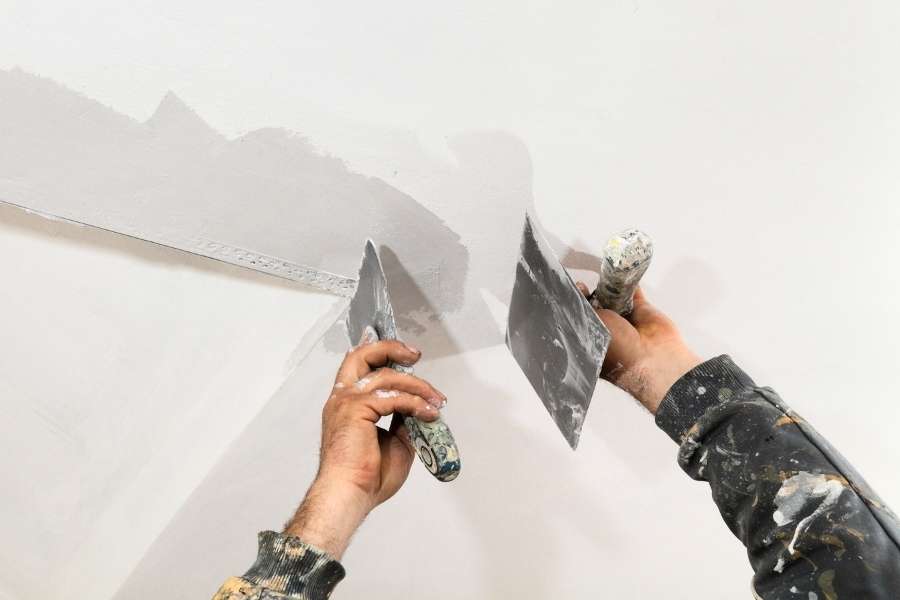
You’re working with existing plaster: if most of the room is sound but you need repairs and a skim, plastering can be the neatest option.
You want a solid feel: some homeowners love the traditional “hard” feel of plaster on masonry, especially in older properties.
You have tricky details: curves, ornate cornices and certain heritage features can suit plastering methods better than boarding.
“Outstanding service from start to finish, was very happy with the work carried out. The property was left clean and tidy.” - Jack Jones, Homeowner
What people rarely factor in (but should)
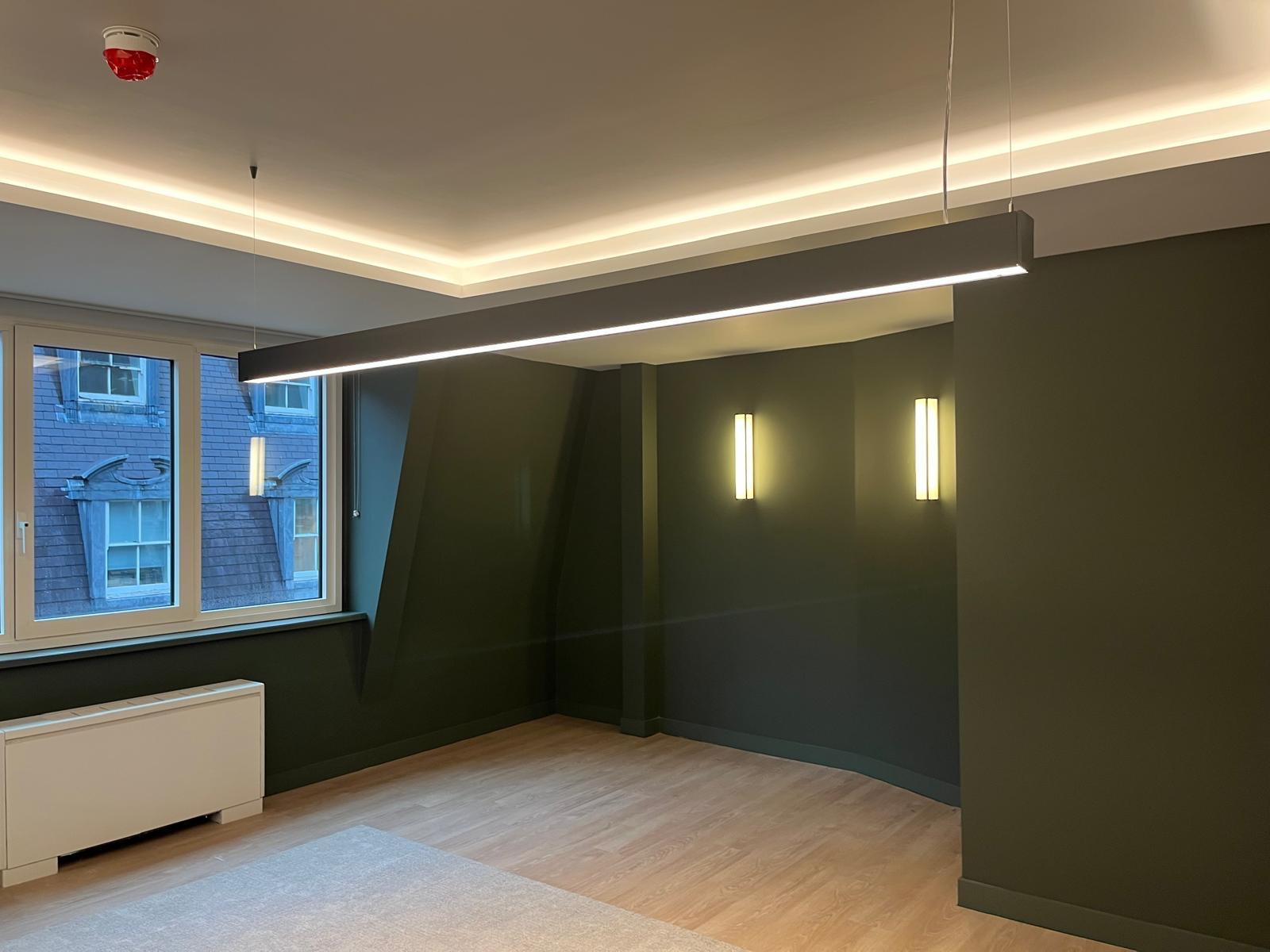
Lighting: downlights and wall washers are ruthless. A finish that looks fine under a standard pendant can suddenly show every joint line once the fancy lighting goes in. If you’re planning strong directional lighting, ask for a high standard of finishing, such as a Level 5 tape and joint finish where appropriate.
Future fixing: will you be hanging a TV, floating shelves or heavy mirrors? With dry lining, we can plan for extra support behind the board. With plaster, you may still need to think about fixings and backgrounds.
Moisture: bathrooms, utility rooms and some coastal properties in Essex need moisture-resistant approaches. That could mean moisture-resistant boards, tanking systems, and the right finishing products.
Cost and timescales: the realistic view
Dry lining can be quicker on site, which often helps overall cost, but the specification matters. Acoustic and fire-rated systems, insulation upgrades, and multi-layer builds are more involved than a basic dot and dab. Plastering can be cost-effective for straightforward skimming, but larger areas of bonding or backing coats add time and drying.
Rather than chasing the cheapest line on a quote, focus on the system that suits your property and your goals. A slightly better specification can save you money later by reducing cracking, improving comfort, and making decorating easier.
Our rule of thumb
If you want straight, fast, high-performing walls and ceilings, dry lining is often the winner. If your backgrounds are mostly sound and you need a refined skim or repair work, plastering can be ideal. And in many refurbishments, the best answer is a combination of both.
Planning a refurbishment in London, Kent or Essex?
DAI City Dry Wall covers domestic and commercial projects across London, Kent and Essex, providing dry lining, plasterboarding, tape and jointing, microcement finishes, and painting and decorating. If you want a clear recommendation for your space and a tidy, professional finish, get in touch for a quote and a straightforward plan of action.