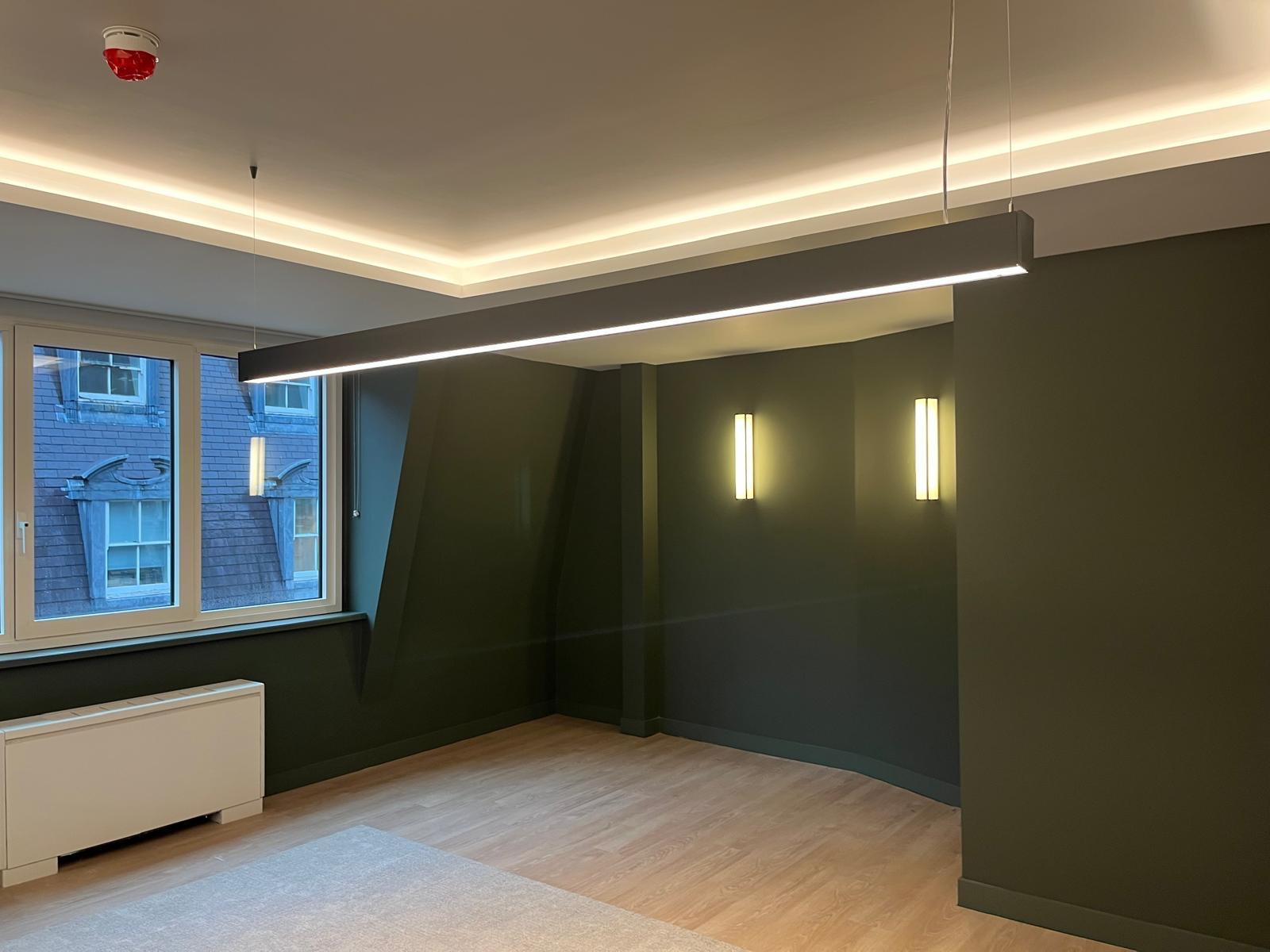
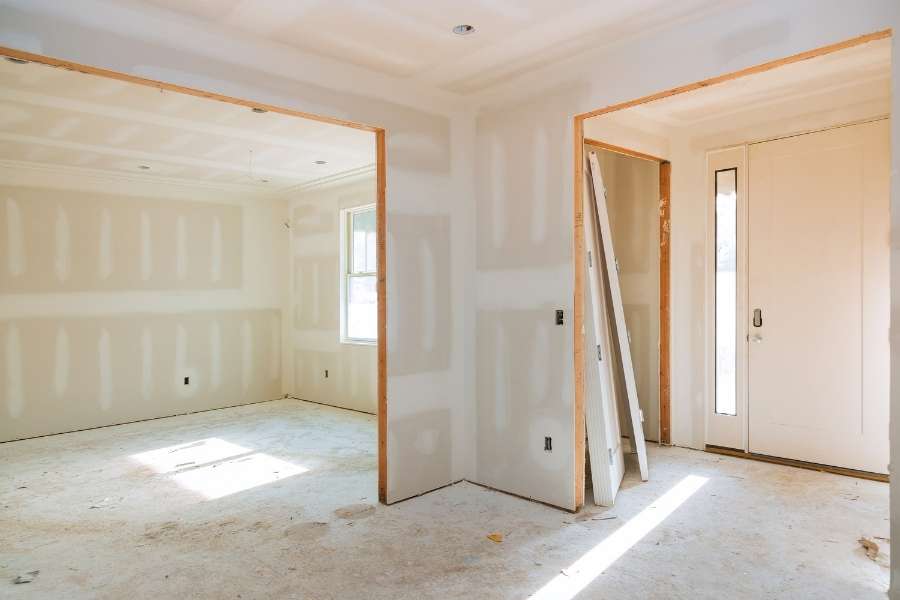
Three quotes for the same job: £4,000, £6,500, £11,000. All of them say "ready for decoration". None of them explains the gap.
That's usually not sharp practice. "Ready for decoration" covers five genuinely different specifications, and London jobs carry costs a quote from outside the M25 won't have priced in.
Nine questions that tell you what you're actually comparing.
1. What finish level are you quoting to?
Plasterboard finishing is graded — Levels 0 to 5, or the European Q1 to Q4 classifications. A Level 2 and a Level 5 involve completely different amounts of labour, because Level 5 means skimming compound across the entire board surface, not just the joints.
"Ready for painting" isn't a specification. Ask for the number in writing. This is where most of the price difference lives.
2. What's excluded?
Get the exclusions in writing, not the inclusions. The usual gaps: framing, insulation, corner beading, making good around sockets and downlights, skirting removal and refit, final skim, waste removal, tower hire for high ceilings.
A cheap quote is very often a complete quote with half the scope missing.
3. Who's actually on site?
Employed, regularly subcontracted, or found for the job? Any of those can be fine — but you want the person quoting to have worked with the person boarding. Ask how many people, for how many days.
4. Can I see your public liability certificate?
The document, not a verbal yes. Check the cover level and the expiry date. Freeholders and managing agents often demand a minimum before anyone gets through the door.
5. How are you handling access, parking and dust?
This is the London question, and it separates contractors who work here from contractors who don't.
Trade parking permit or suspended bay — who applies, who pays?
ULEZ charges on non-compliant vans
Third-floor flat, no lift, 2.4m boards
Council and managing-agent restrictions on noisy works
Jointing dust travels through an entire flat — ask about sheeting, zip doors and dust-extracting sanders
If they didn't ask you about access before quoting, they haven't thought about it.
6. What's the programme, and what if it slips?
Jointing needs drying time between coats, dry conditions, and temperatures held above 5°C. Be wary of anyone promising a three-coat system boarded, jointed, sanded and finished in a day.

7. My walls aren't straight — what's your approach?
In a period London property they won't be. Dot and dab, battening out, metal framing: different costs, and different amounts of room lost. Someone who walks the property and explains their choice is thinking about your job. Someone quoting a square-metre rate off photographs is thinking about volume.
8. Is waste removal included, and to a licensed carrier?
Plasterboard is heavy and licensed disposal isn't free. You hold a duty of care over your waste even once someone else takes it, so ask for the carrier details.
9. Can I see a comparable job?
Not a gallery of anonymous smooth walls — a flat refurb if you're refurbishing a flat. Ask for photographs taken under raking light, where a low sun or wall light grazes the surface. Anything looks good under diffuse light. See our completed work here.
Red flags
No finish level or exclusions stated. A large deposit before materials are ordered. No written scope, just a total. A price far below the others with no explanation. Reluctance over the insurance certificate. No questions about access or working hours.
The move that actually works
Write your own one-page scope — rooms, board type, finish level, waste, parking — and send the identical document to everyone. You'll get three quotes for the same job instead of three quotes for three different jobs.
Working on a project in London?
DAI City Drywall has delivered dry lining, drywall, tape and jointing, plastering and microcement across London, Kent and Essex for over 20 years. We'll walk the property, tell you which system suits it, and quote to a stated finish level with the exclusions written down.
Blogs & Insights